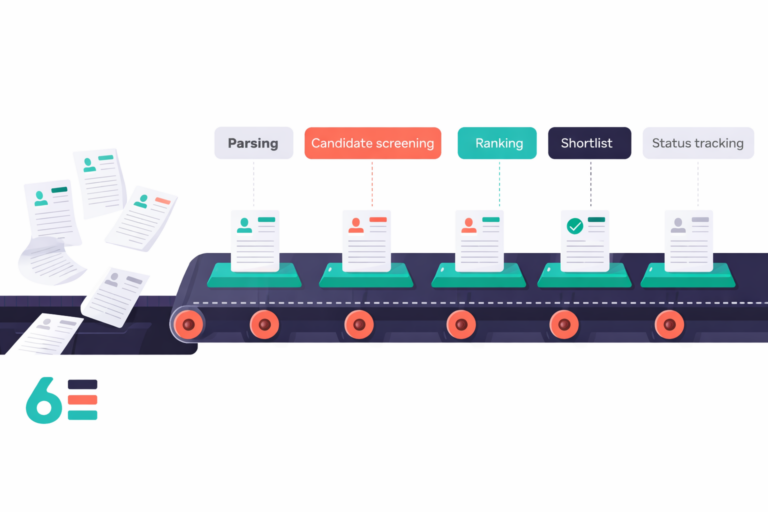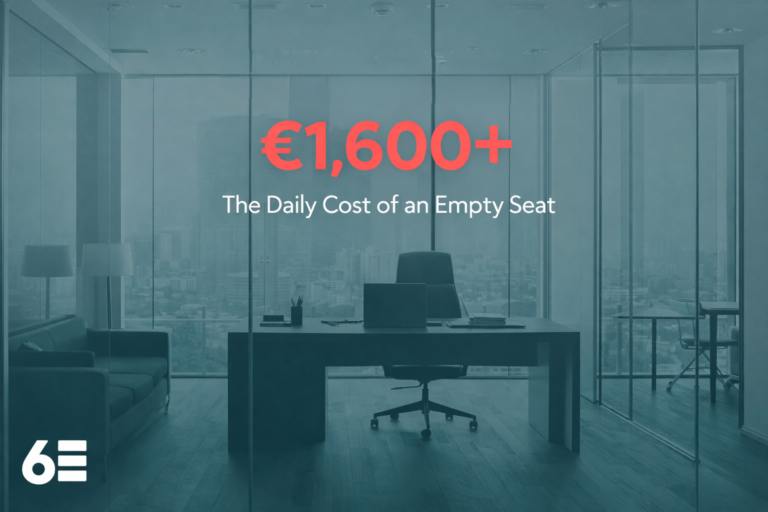

Skills-Based Hiring in the Nordics and Baltics
The Degree Filter Is Dying and That’s a Good Thing
Skills-based hiring in the Nordics and Baltics is an operational pivot. Faced with structural talent shortages and outdated credentials, employers in these regions are rewriting the rules of recruitment. And moving away from degree-based hiring.
The shift is most visible in AI, cybersecurity, systems engineering, and clean energy, fields where traditional degrees have become lagging indicators, not reliable predictors of execution capability.
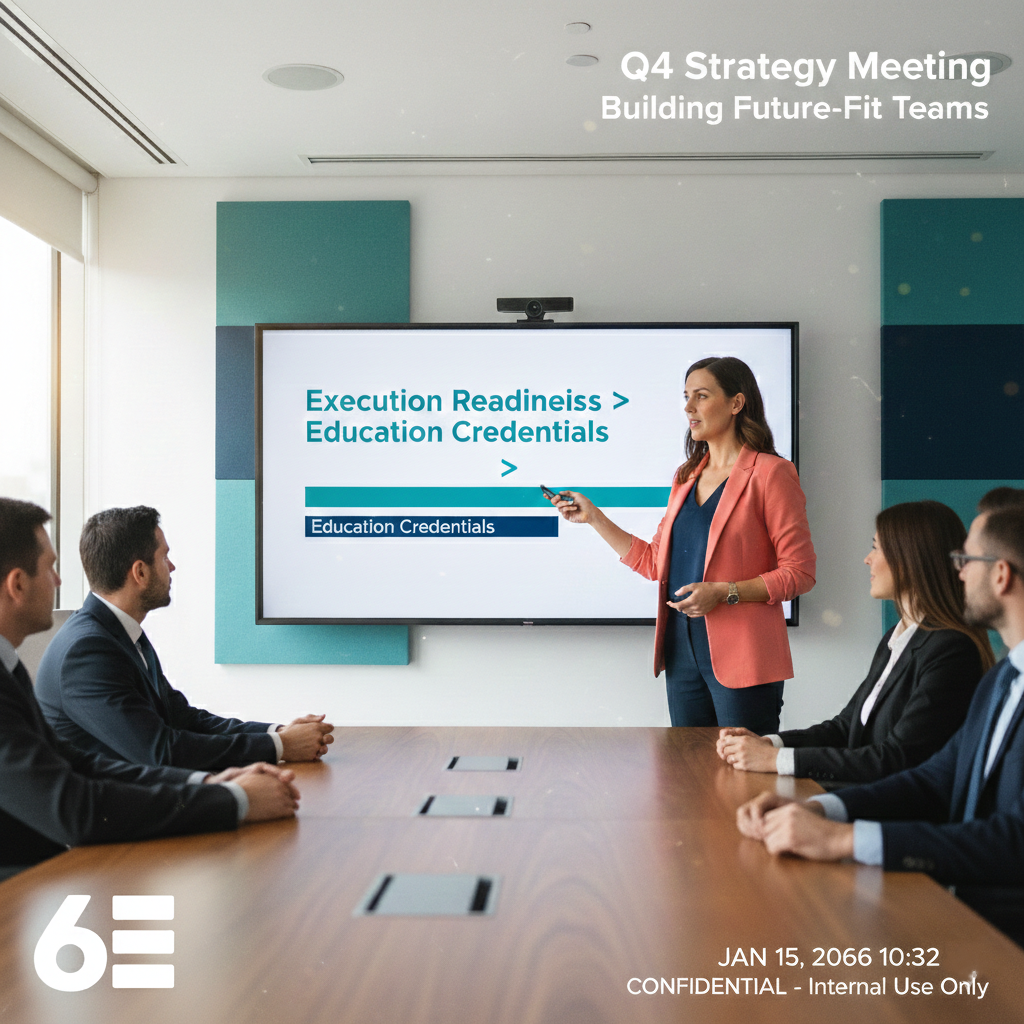
Instead of asking “Where did you study?”, leading firms are now asking “Can you deliver?”
This isn’t speculative. It’s already shaping hiring outcomes in some of Europe’s most competitive talent markets.
Why Skills-Based Hiring Works Better for Senior Roles
When it comes to senior roles, the problem is not that degrees are useless, it’s that degrees alone don’t cut it anymore.
Yes, formal education can provide the theoretical foundation, systems thinking, and shared language that complex leadership roles often require. But in 2026, that foundation needs to be augmented, not idolized.
In our recent analysis, Senior Talent Trends in the Baltics: Why Leadership Roles Stay Vacant, we noted a critical trend: while general hiring may cool, senior execution and leadership roles are staying open longer and costing more.
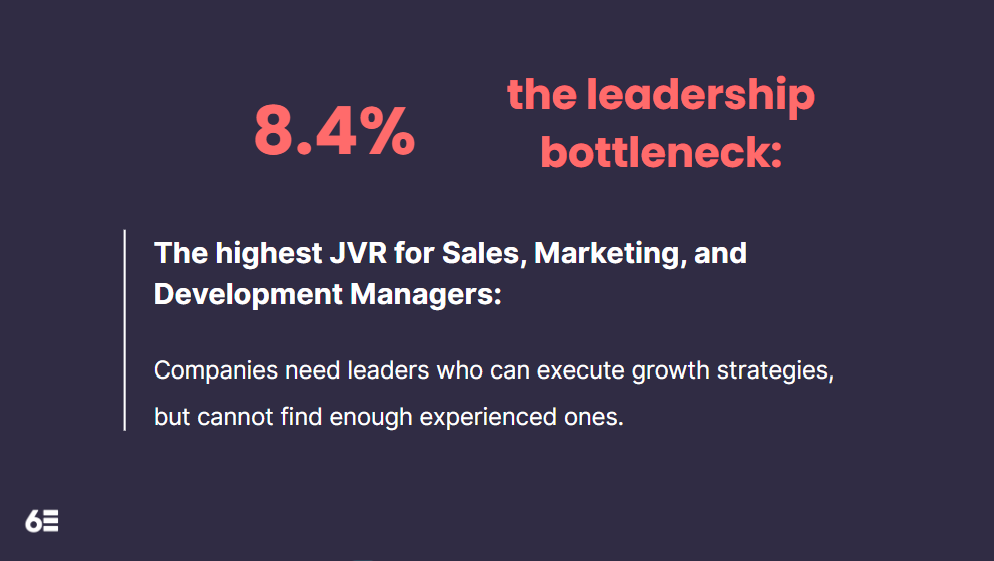
Eurostat data shows Baltic managerial roles carried an 8.4% vacancy rate in 2024 = the highest of any professional category.
These roles are so hard to fill because they demand execution-level performance under real-world conditions. The kind of capability that isn’t always captured in a transcript. These are positions where context, judgment, and cross-functional leadership matter as much as any MBA case study.
And yet, many hiring processes still lean on outdated proxies like prestigious schools, traditional CVs, and checkbox credentials, instead of evidence of how a candidate leads, decides, and delivers in practice.
Skills-based hiring works better for senior roles because it doesn’t ignore education, it just insists on going further:
- Can this person translate knowledge into impact?
- Have they navigated ambiguity and change before?
- Do they have a track record of execution in messy, high-stakes environments?
In other words: not “Do they know?” but “Can they do?”
When degree filters are removed, what replaces them must be smarter not sloppier. That’s where most companies fail. They either:
- Replace degrees with hours of irrelevant assessments, or
- Panic and default to “must have 10+ years in a similar title at a similar company”
Neither predicts actual performance. And both push away the senior candidates you’re most desperate to keep.
So, is a degree valuable? Absolutely.
But in today’s hiring landscape, it’s the starting point — not the finish line.
Why Skills-Based Hiring in the Nordics and Baltics Is Gaining Momentum
These regions have two distinct advantages:
- High-trust, evidence-driven cultures that value results over pedigree
- Digital maturity that enables more agile, data-informed recruitment
In Sweden and Finland, hiring is aligning with “success profiles”: detailed role blueprints outlining what great performance looks like across skills, behaviors, and attributes. In Estonia, portfolios are replacing diplomas entirely for roles in tech and product.
This isn’t just modernization. It’s market survival.
Skills-Based Hiring Improves Employer Economics
For CFOs and COOs, this model is increasingly compelling:
- 12% higher quality-of-hire likelihood when skills-based search is used on platforms like LinkedIn
- Reduced mis-hire costs with fewer false positives, fewer failed placements
- Stronger retention and internal mobility, because people are hired based on what they can do, not what they once studied
This also lowers time-to-hire, which is crucial when senior roles left vacant for weeks delay strategy execution and team progress.
The Friction Trap: Why Most Companies Still Lose Talent
Removing degrees creates a vacuum and many companies fill it with noise:
- Hours-long take-home assignments
- Multi-stage tests and redundant interviews
- Vague “prove it again” loops
This friction drives senior talent away. The time and energy required to navigate these hoops is demotivating. While employers are still diligently ticking through each step of their over-engineered process, top candidates are being snapped up by faster-moving competitors.
As a result, strong candidates drop out early or disappear entirely. Because these systems, meant to ensure “rigor,” actually filter for free time, not execution capability.
This phenomenon contributes directly to leadership-level dropouts, a trend we broke down in detail in Why Leadership Roles Stay Vacant in the Baltics.
Worse still, these hoops often measure free time or compliance and not capability. They repel the very talent companies most need.
The Skills-Based Hiring Model: High-Quality, Low-Friction Verification
Here’s how forward-looking employers in the Nordics and Baltics are doing it better:
- Success Profiles: A role-specific blueprint focused on outcomes, not tasks, used to anchor every step of assessment.
- Structured interviews using frameworks like the STAR method (where candidates share real-life examples of how they’ve handled complex tasks).
- Short, science-backed assessments, where applicable and not as default.
- Living credentials and work samples (e.g., GitHub, portfolios) that provide real evidence of execution.
- Trusted referrals from industry insiders who’ve seen the candidate perform under pressure.
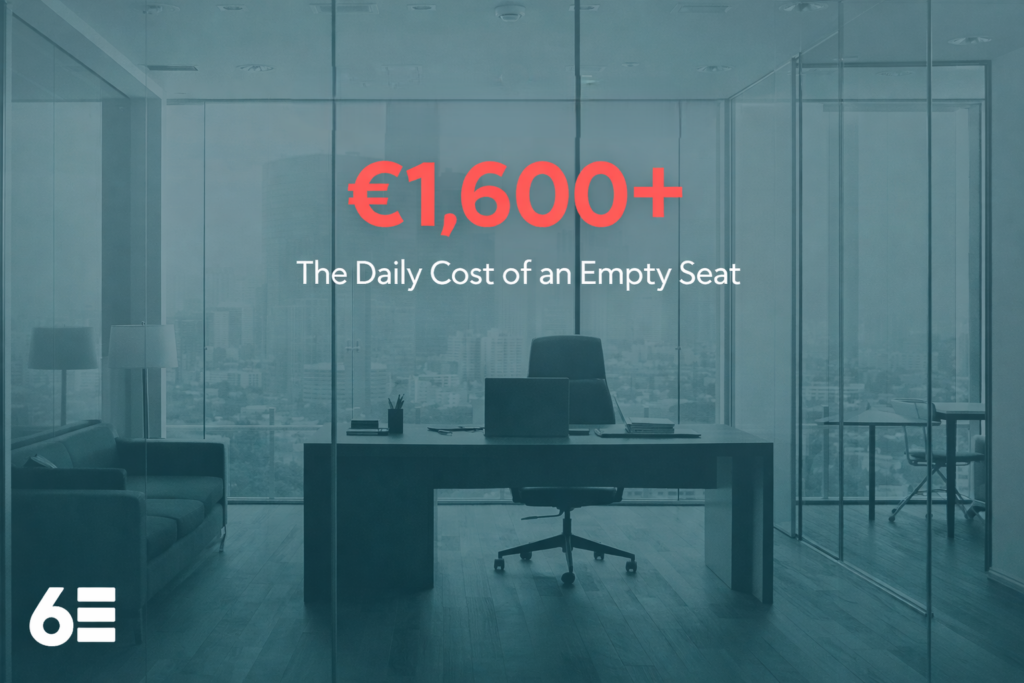
Each element improves accuracy and shortens the hiring cycle. Employers gain more than talent: They Gain Efficiency. An analysis we broke down in detail in The Hidden Cost of Open Roles: How Long Vacancies Impact Business Performance – News and Resources
Why Referrals Are Crucial in Skills-Based Hiring
In roles where execution matters most, nothing beats credible social proof.
That’s why companies using 6E’s platform see faster placements and better role fit, especially for strategy-execution roles. 6E taps a vetted, invite-only network of industry professionals,
Unlike generic agency models or internal referral schemes that run dry, 6E:
- Matches employers with execution-ready candidates from trusted referrers
- Ensures every candidate is consent-first and privacy-protected
- Tracks success through trust scoring and employer accountability
It’s not a job board. It’s a referral ledger for real-world performance.
The Strategic Question for 2026: What Are You Verifying for Skill-Based Hiring?
Hiring leaders must stop asking: “Should we require a degree?”
And instead ask: “What are we using to verify capability and is it working?”
If the verification is friction-heavy, it’s costing you top talent.
If it’s outdated, it’s likely filtering out qualified candidates.
And if it’s slow, your competition already won.
The 6E Solution: Verified Hires, Not Filter Failures
If you’re serious about skills-based hiring, then your process must match your promise.
Removing degrees is just the start. What matters is how you verify real capability — without adding friction that repels the very people you want most.
That’s where 6E comes in.
✅ High-trust referrals from industry insiders who’ve seen the candidate deliver
✅ Evidence-based verification built on performance, not paper
✅ Shorter hiring cycles with better signal and less noise
✅ Consent-first experience that respects candidate time and trust
You don’t need more applicants.
You need the right ones, just with proof.
And you only pay when you make a successful hire. No subscriptions, no spam.
In 2026, execution is the edge. Hire people who’ve proven they can deliver.
Ready to join the trust-first hiring movement?
Visit 6E → Click Contact 6E → Find your next critical hire through someone who already knows they’re ready.

Sources & References
- LinkedIn Economic Graph, “Skills-Based Hiring Report 2025”
- Eurostat, Experimental Online Job Ad Vacancy Data 2024
- PwC Global CEO Survey 2025
- Gartner Research: “Hiring for Promise Over Proficiency”
- BCG, “Competence Over Credentials”
- DDI Success Profile Framework
- Cedefop, “2025 Skills Forecast: Lithuania”
- CandyCV & TestGorilla, “Skills-Based Hiring in the Nordics”
- “Senior Talent Trends in the Baltics: Why Leadership Roles Stay Vacant”, 6E Blog, Dec 2025